
Casablanca Clothing Rich Palette Hassle Free Returns

Why Careful Upkeep Matters for Casablanca Clothing
Casablanca clothing is designed with superior fabrics, elaborate prints and exacting craftsmanship that justify its luxury retail. In 2026, with the retail of a single silk shirt falling between 700 to 1 200 dollars and knitwear from 450 to 900 dollars, caring for these garments with the same attention as inexpensive basics is a fast way to frustration. Correct maintenance preserves the richness of prints, the smooth feel of fabrics and the silhouette of items, ensuring that each piece offers return over numerous seasons rather than just a couple of months. Beyond safeguarding your wardrobe investment, mindful care is an ecological commitment: garments that last longer create less waste and reduce the demand for new purchases. This overview delivers detailed, practical advice for caring for every key fabric type in the Casablanca range—silk, cotton, knitwear, fleece and blended materials—along with storage, stain management and restoration strategies that will prolong the life of your wardrobe noticeably.
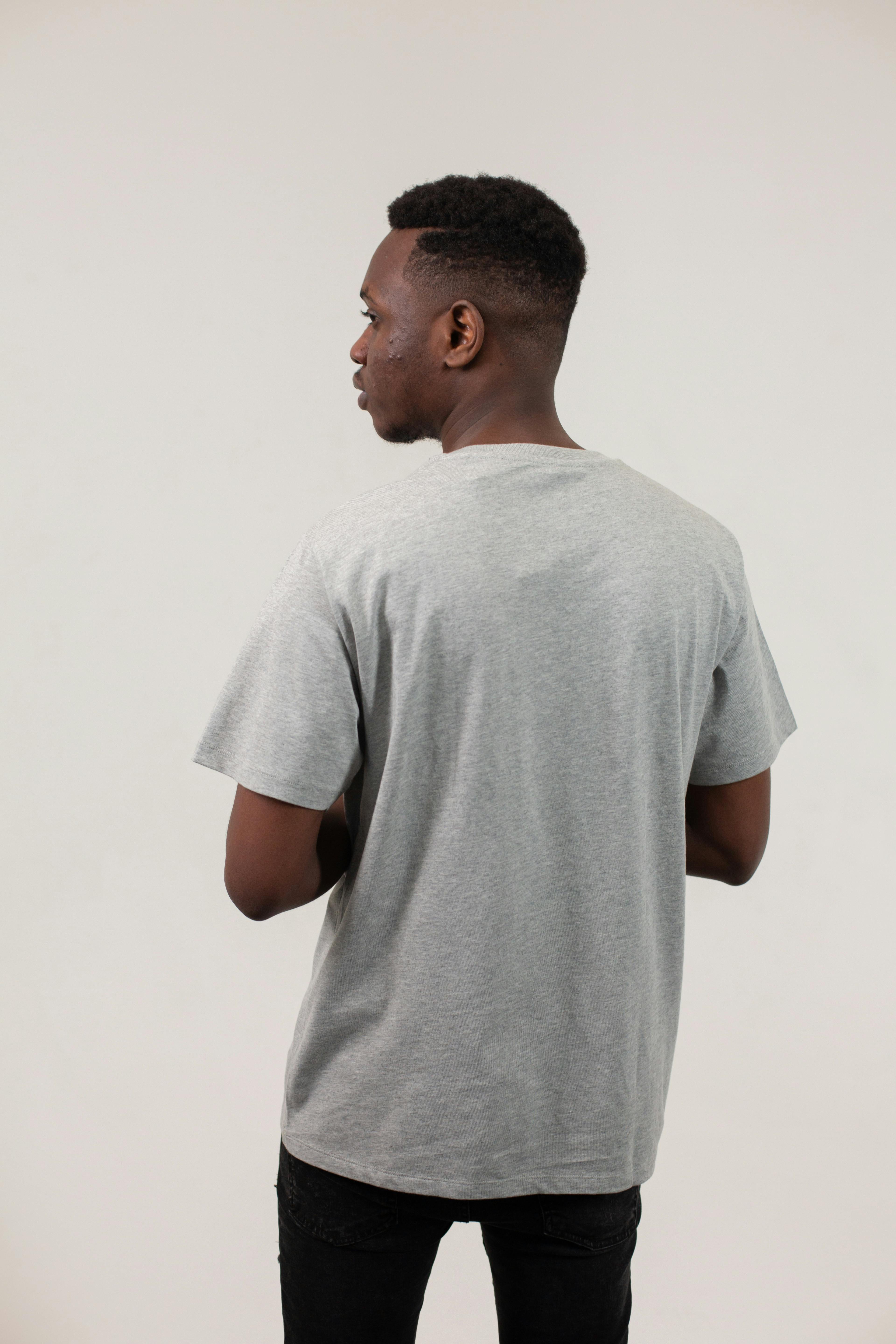
Caring for Silk Shirts, Dresses and Scarves
Silk is the most sensitive fabric in the Casablanca collection and demands the highest level of attention. Every time check the care tag first, as some silk pieces are marked dry-clean only while others support delicate hand-washing. For hand-washing, prepare a sink with lukewarm water no warmer than 30 degrees Celsius and introduce a tiny amount of neutral detergent specially designed for silk or fragile fabrics. Place the garment, carefully move for one to two minutes without rubbing or casablancastore.net stretching, then release and clean with clear cool water until all detergent is eliminated. To dry, place the piece flat on a fresh towel, wind the towel to squeeze out remaining water and then move the garment to a clotheshorse in a airy area away from strong sunlight and heaters. Never twist silk, as the fibres can damage for good, and never peg waterlogged silk, as the load of the water can pull the fabric permanently. For eliminating wrinkles, use a travel steamer kept at a slight distance from the fabric rather than pressing straight on with an iron, which can create watermarks or scorch marks on silk. If professional cleaning is simpler, choose a reliable cleaner knowledgeable about silk and request that no forceful pressing should be performed.
Caring for Cotton T-shirts, Hoodies and Sweatpants
Cotton pieces—like T-shirts, hoodies, sweatpants and cotton shirts—are the easiest to care for items in the Casablanca collection but still respond well to considered handling. Reverse all cotton garments inside-out before washing to protect outer prints, embroidery and the visible side of the fabric from rubbing with other items in the machine. Use a gentle or sensitive cycle at 30 degrees Celsius with a mild fluid detergent; do not use dry detergents that can leave traces in fleece fibres. Do not pack the washing machine—garments need space to move and flush fully. Skip fabric softeners, which clog cotton fibres and gradually reduce the inherent suppleness and breathability of fleece and terry cloth. For drying, rack drying is without exception the best option: spread substantial items like hoodies flat or drape them on padded hangers to prevent upper stretching, and confirm proper airflow to avoid musty odours. If you must use a dryer, opt for the minimum heat setting and pull items while still somewhat damp to prevent excessive drying, which causes contraction and damages stretch material in sleeve bands and waistbands. Faithful care using these methods will keep your cotton Casablanca pieces remaining fresh and structurally solid for years.
Casablanca Fabric Care Handy Chart
| Material | Wash Method | Temp | Drying | Key Notes |
|---|---|---|---|---|
| Silk | Hand wash / dry clean | Max 30 °C | Flat dry, no sun | No wringing, steam only |
| Cotton (dense) | Machine gentle cycle | 30 °C | Air-dry flat or hang | Inside out, no softener |
| Cotton (thin) | Machine delicate cycle | 30 °C | Air-dry or gentle tumble | Take out promptly |
| Knitwear (wool) | Hand-wash / gentle | Max 30 °C | Flat on rack | Reshape while damp |
| Knitwear (cotton) | Machine in mesh bag | 30 °C | Flat on rack | Use fabric shaver |
| Terry cloth | Machine delicate cycle | 30–40 °C | Air-dry or gentle tumble | No softener |
Washing Knitwear
Casablanca knitwear—ranging from fine cotton sweaters to merino crewnecks and premium cardigans—calls for a combination between cleanliness and limited handling, because too much washing accelerates yarn breakdown and fuzzing. The best method is to refresh knitwear between wears, hanging it in a well-ventilated space for several hours to release humidity and mustiness before storing. When washing is necessary, hand-wash in cold water with a mild detergent or use a machine’s delicate cycle inside a protective laundry bag. After washing, softly squeeze out water without twisting, lay the garment flat on a dry towel and mould it to its proper shape while still wet. Drying flat prevents the sagging that occurs when saturated wet knits are suspended on hangers. Fuzzing is a normal occurrence with fine-gauge knitwear; using a cashmere comb or a cashmere comb from time to time eliminates pills and brings back a polished surface. Stow knitwear folded on flat surfaces rather than on hangers, as hanging can distort shoulders and pull the body over time. Cedar balls or lavender sachets in wardrobe drawers can work to ward off moths, which are lured by natural fibres like wool and cashmere.
Storage Recommendations
How you keep Casablanca clothing between wears and between cycles has a considerable effect on its lifespan. Shirts, blazers and outerwear should hang on padded or quality wooden hangers that support the shoulders without creating dents. Stay away from wire hangers, which can produce indentations and deform shape. Heavy knitwear and sweatpants should be folded and put on shelves or in drawers, with bulkier items on the bottom to prevent compression of thinner pieces above. For off-season storage—such as packing winter items during summer—use fabric cloth garment bags rather than vinyl covers, which hold moisture and can cause staining or mould. Place garments in a climate-controlled, well-aired space with even temperature; skip attics, basements and garages where heat and moisture fluctuate. Sunlight is one of the biggest dangers of colour: even filtered light over long periods can dull rich prints and dyes, so position archived clothing away from windows. Regularly examine stored items for evidence of moth damage or dampness, and resolve any concerns immediately. These storage habits are above all essential for graphic silk pieces, whose intense colours are the most prone to environmental degradation.
Blemish Management and Repairs
Blemishes are an inescapable part of wearing clothes in the everyday world, and immediate action is the most effective defence. For liquid spills on any Casablanca fabric, blot without delay with a clean, fresh cloth or paper towel—never rub, as this works the stain further in and can enlarge it. For liquid stains like wine, coffee or food, blot lightly with a cloth soaked in cold water and a minimal amount of delicate soap, starting at the border of the stain inward to minimise expansion. For fat-based stains, apply a thin amount of talcum powder or talcum powder on the mark, leave it soak for 15 minutes, then wipe away carefully and treat with a soft detergent. Every time test any cleaning product on an discreet area of the garment first to rule out fading or fabric damage. For stubborn or serious stains on silk, deliver the garment to a professional cleaner immediately rather than risking household solutions that may lead to permanent damage. Small repairs—loose buttons, tiny seam separations, loose threads—can be addressed at home with rudimentary mending skills or delivered to a tailor. Handling these matters promptly stops them from worsening during later wears and washes. With mindful stain management and timely repairs, Casablanca clothing can remain in outstanding form through many years of wear. For the brand’s own care recommendations, check the product pages on casablancaparis.com and broader fabric care guides on The Spruce.